Share your Atlantic manta & devil ray sightings
Have you ever seen a manta or devil ray (sometimes called mobulid ray) while out on the water? We want to hear about it! Use the form below to submit your sighting data and share photo/video of manta or devil ray encounters. This information will contribute to a University of Massachusetts Dartmouth study of manta and devil ray distribution along the U.S. East Coast that will inform research.
Not sure what species you saw? Check out the Species Identification section at the bottom of the page.
If you encounter any problems with the form submission or file upload, please email us at sharedseaslab@gmail.com.
Data Privacy Statement: Your personal information is confidential and you may opt to submit your sighting data anonymously.
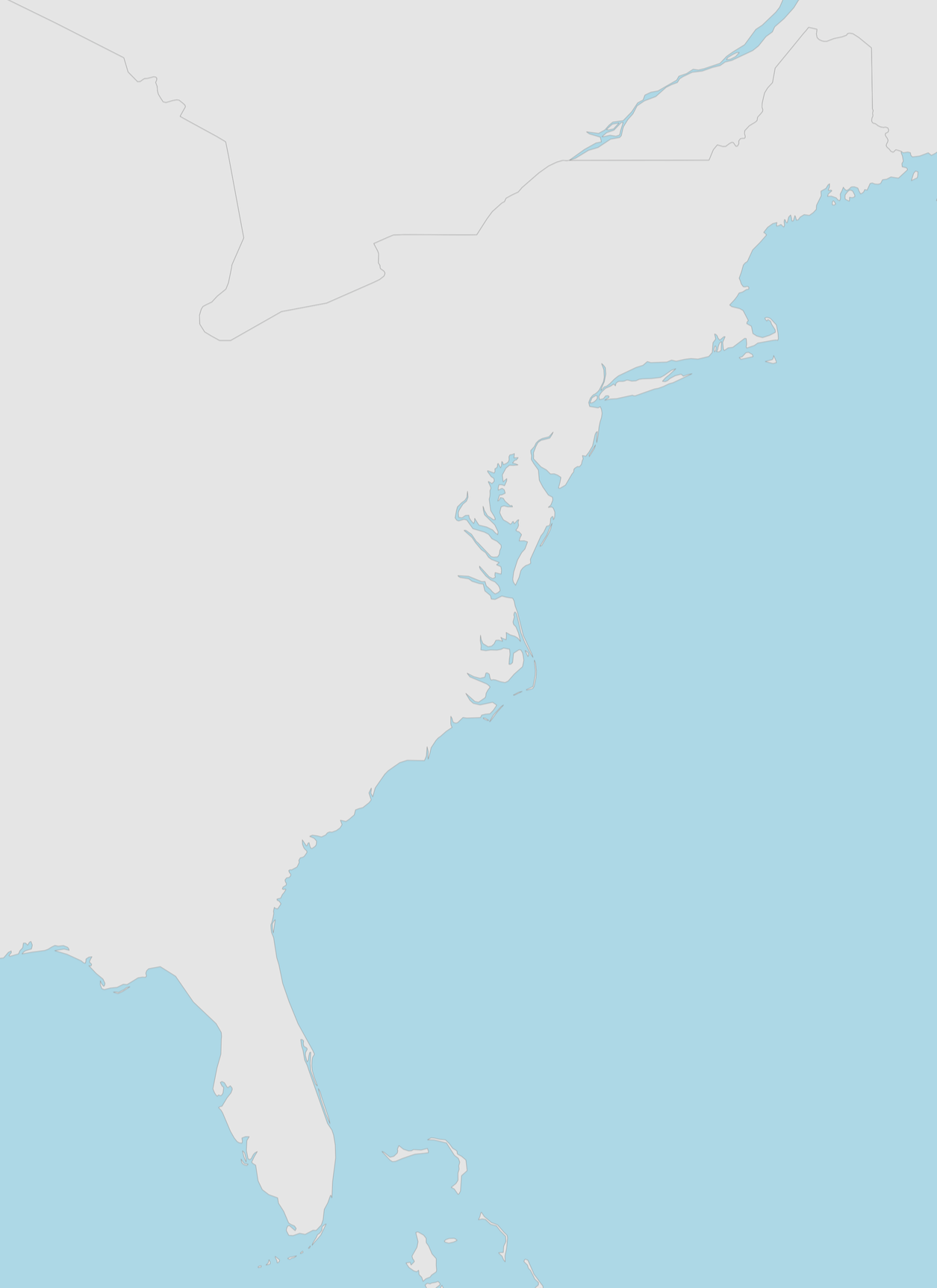
We are primarily interested in manta and devil ray sightings in the Western Atlantic along the East Coast of the United States.
Manta & Devil Ray Sighting Form
Sicklefin Devil Ray | Mobula tarapacana
Species Identification
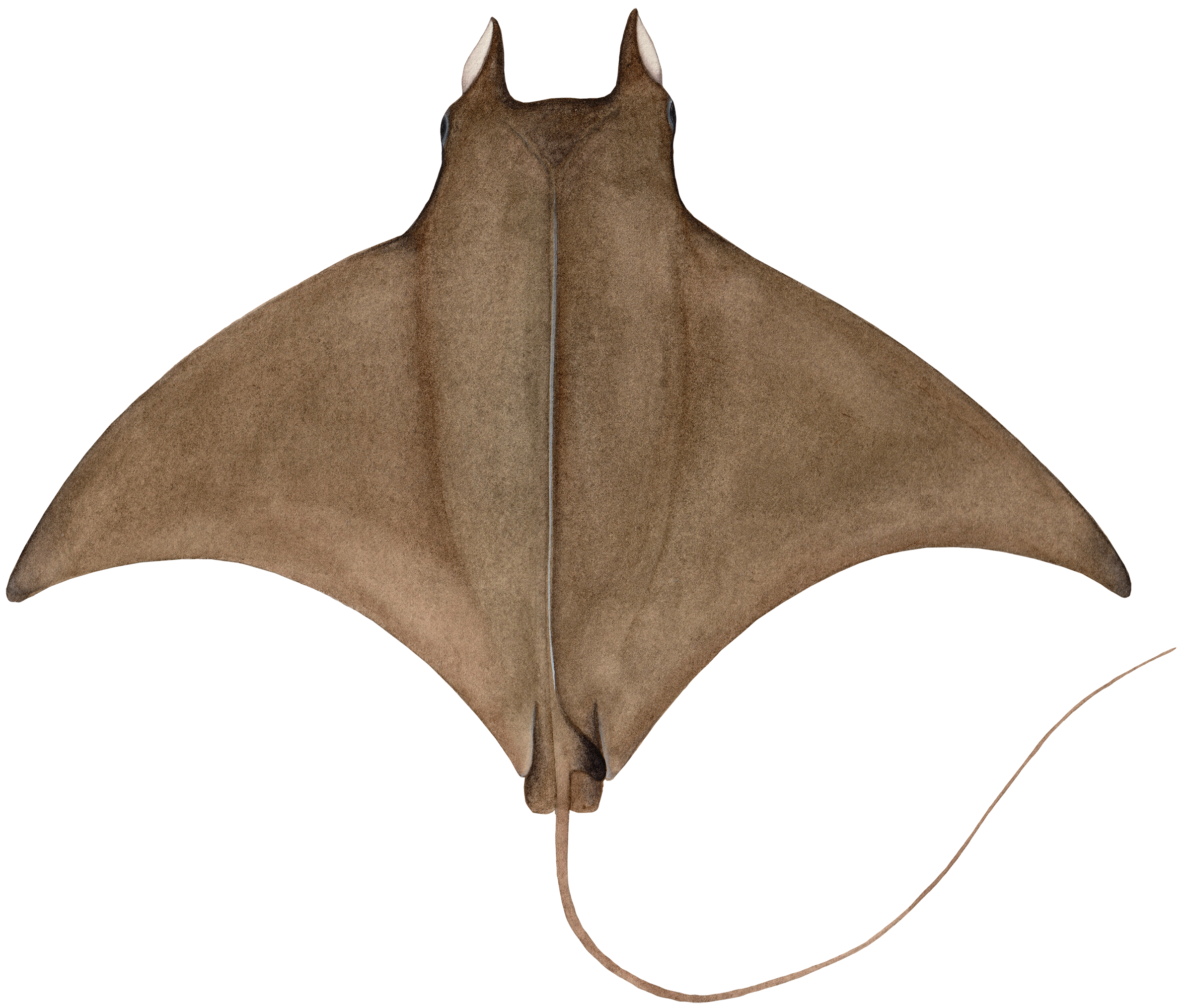
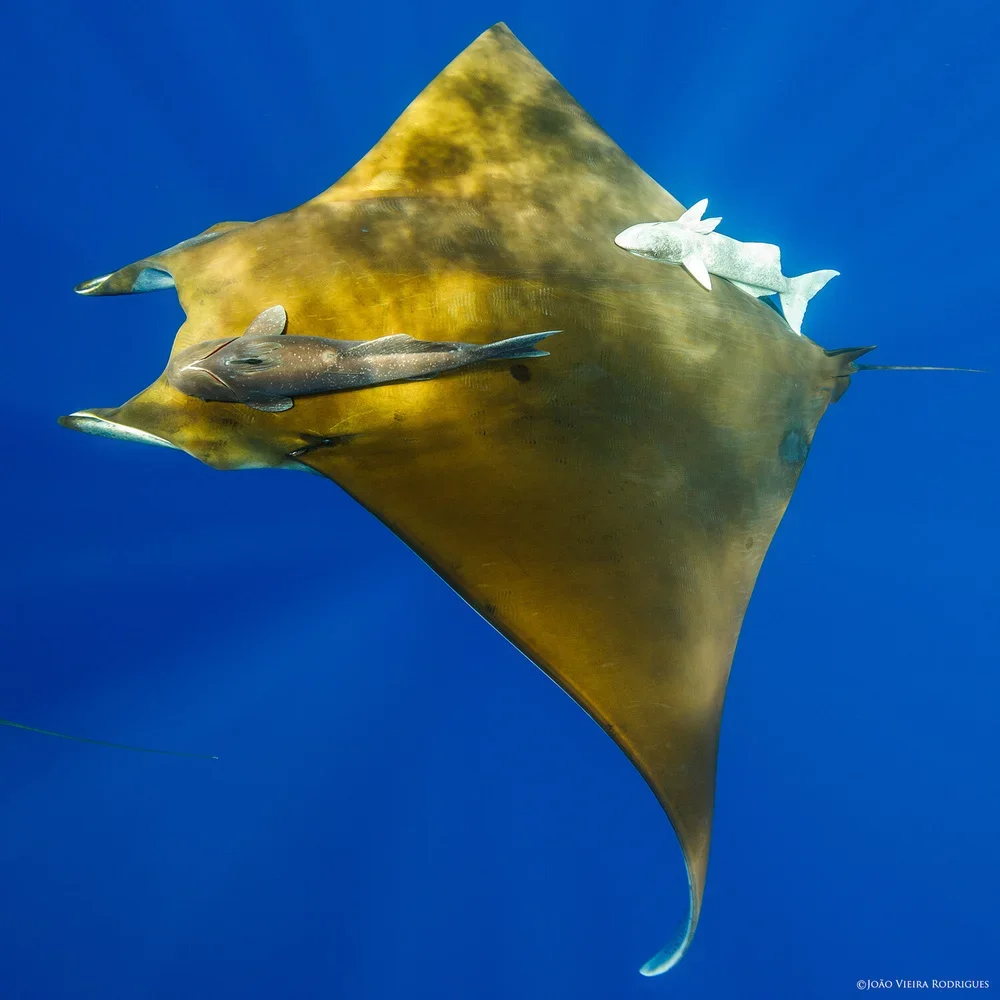
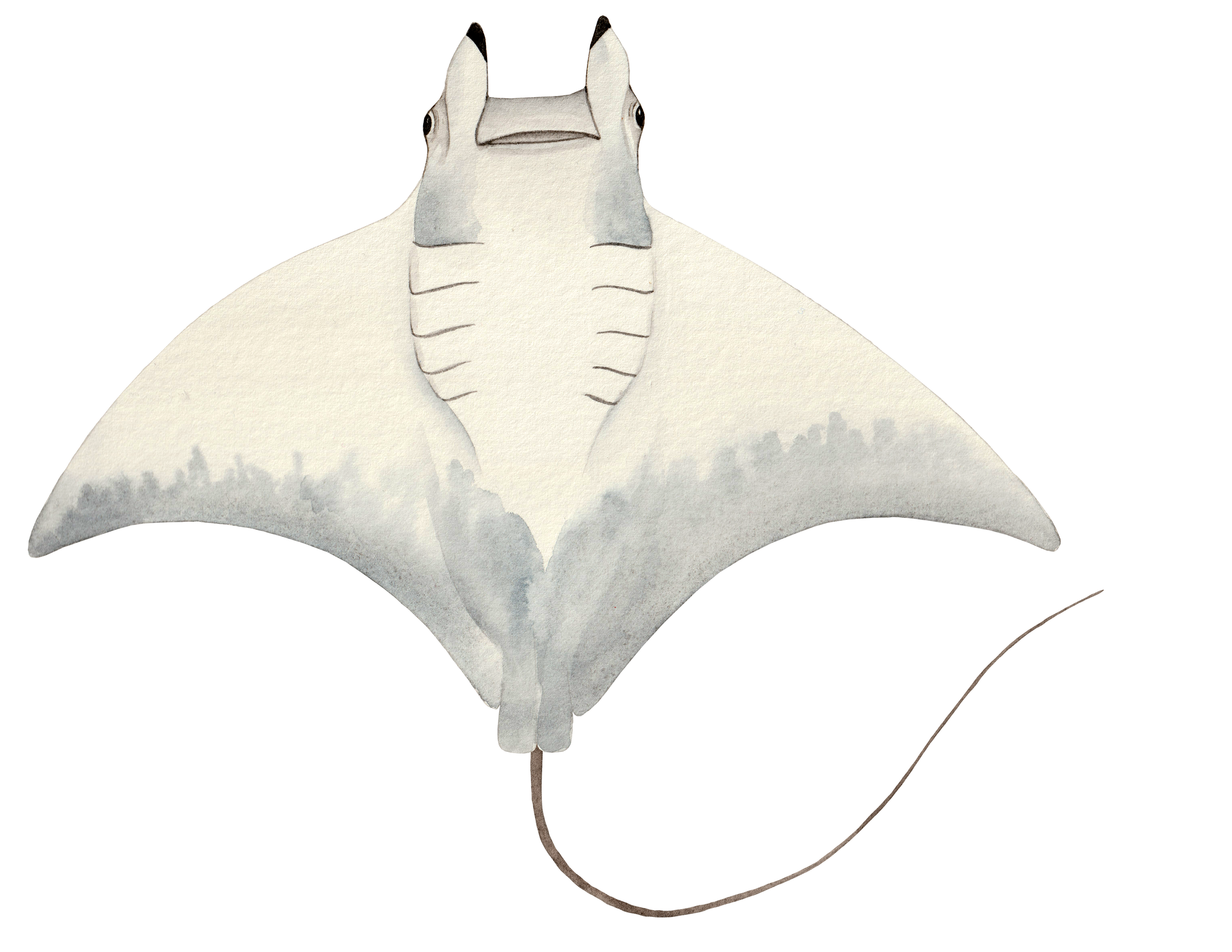
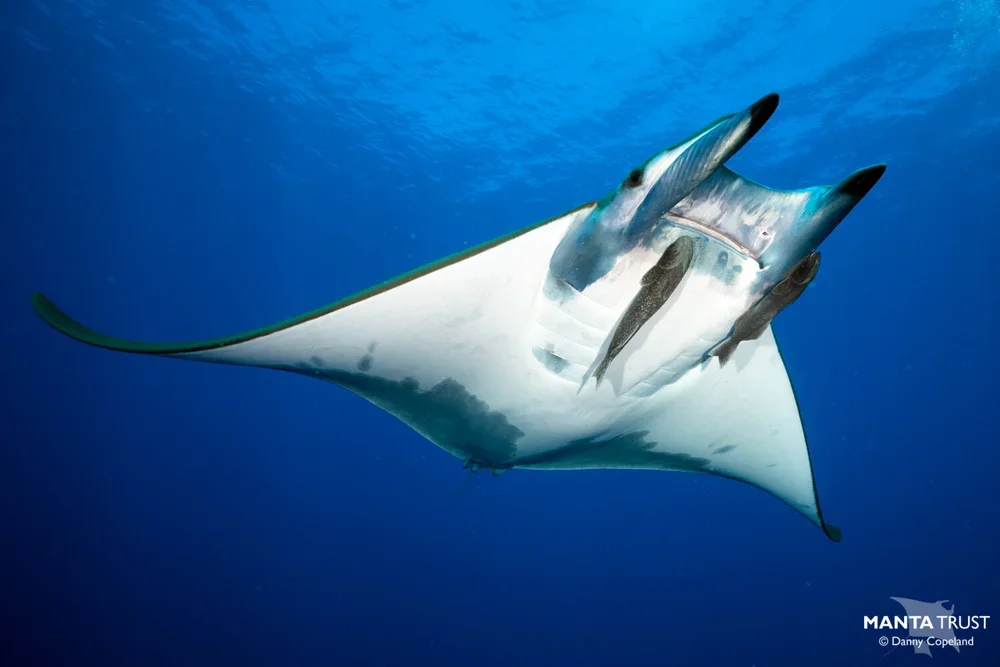
Photo credit: (L) Joao Rodrigues. (R) Danny Copeland/Manta Trust.
Key Characteristics:
Olive green colored body
No white shadow above the eye
White stomach with grey shading on the rear section of the stomach. Zigzagging margin between white stomach & grey shading.
Size:
Max Total Width: 340cm (~11 ft)
Average Total Width: 200-270cm (~6.5-8.5ft)
Weight: up to 300kg (~882lbs)
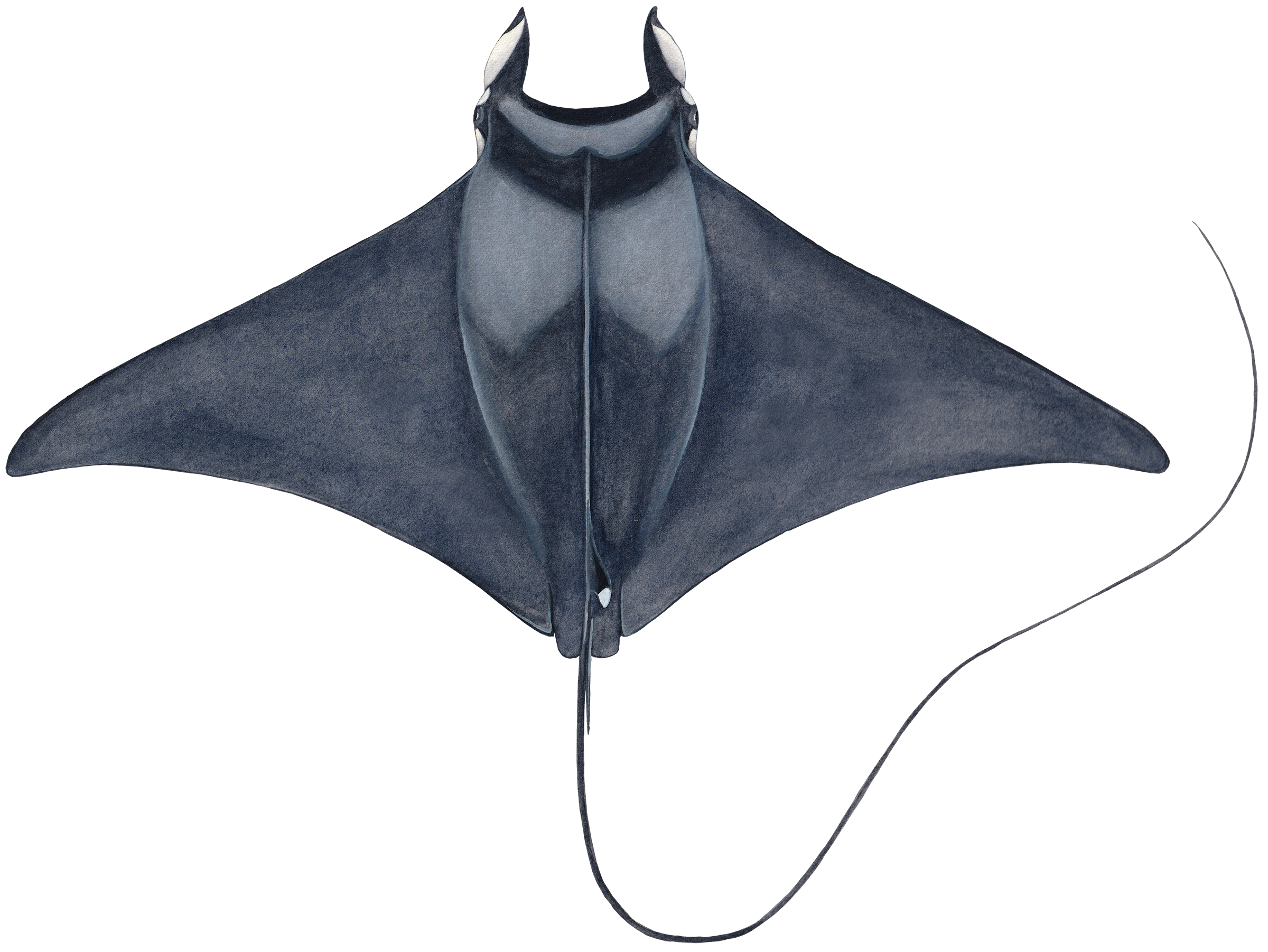
Oceanic Manta Ray | Mobula birostris
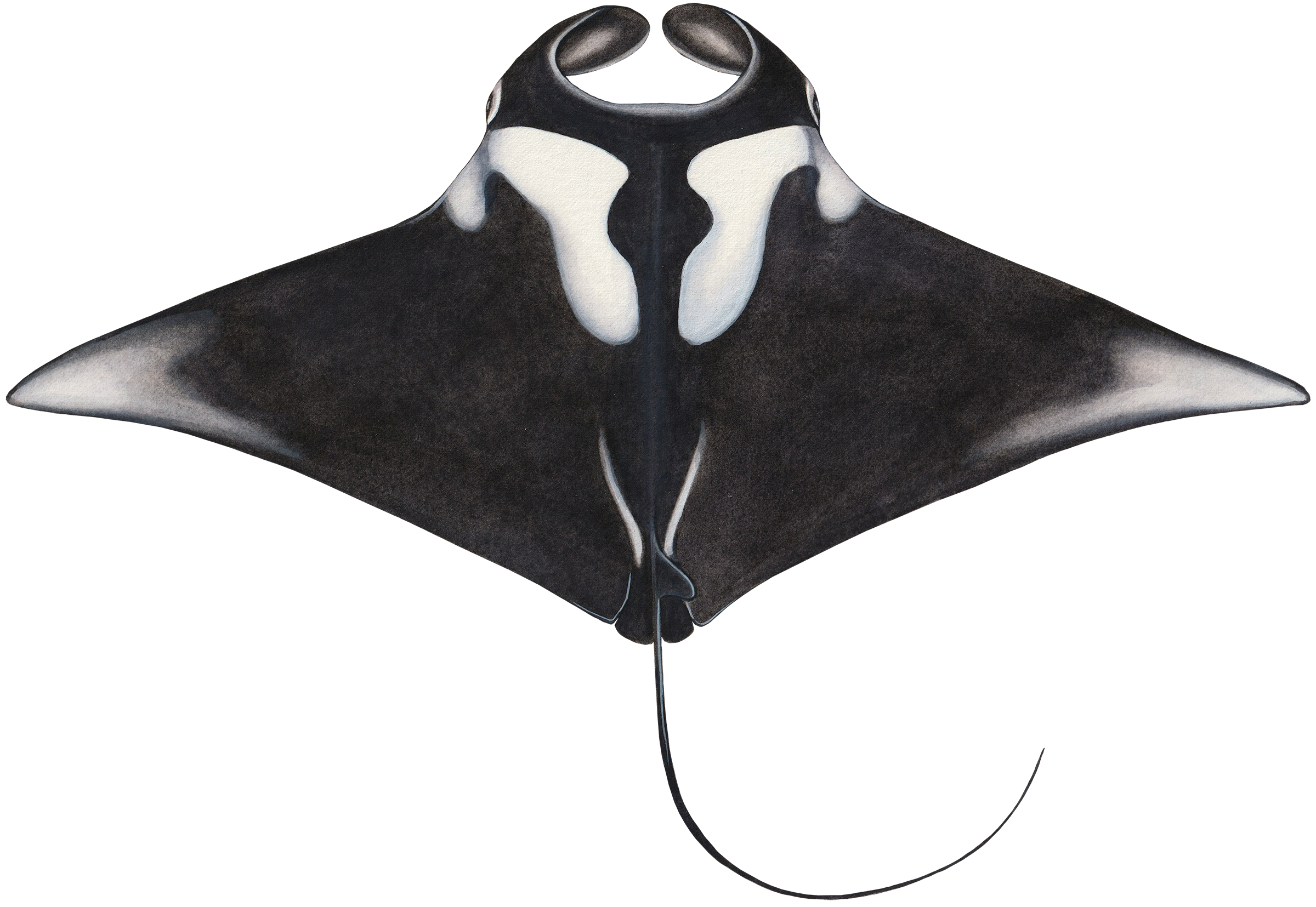
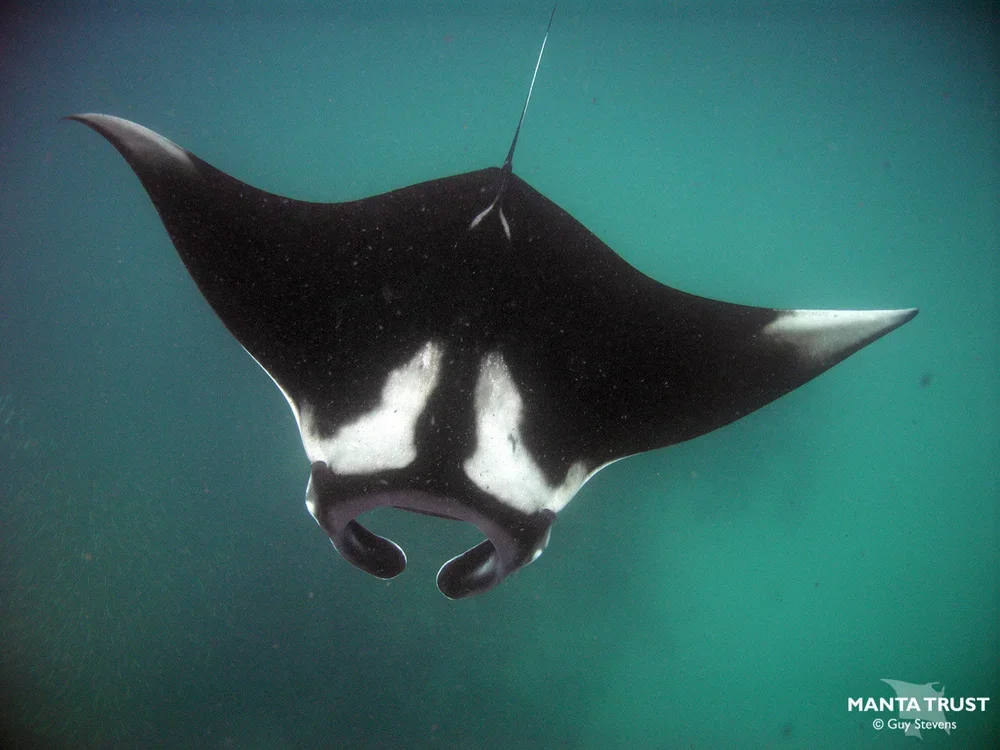
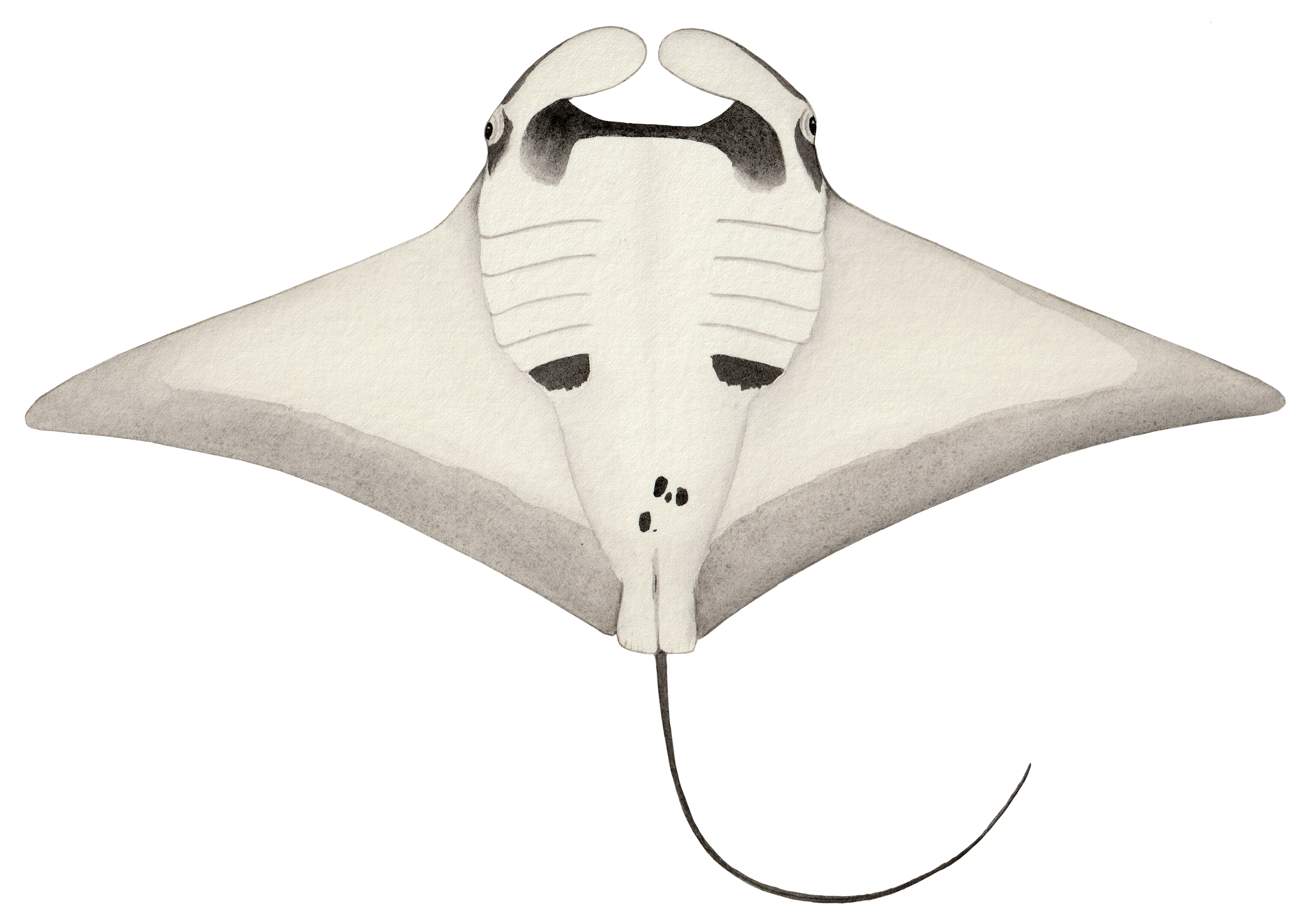
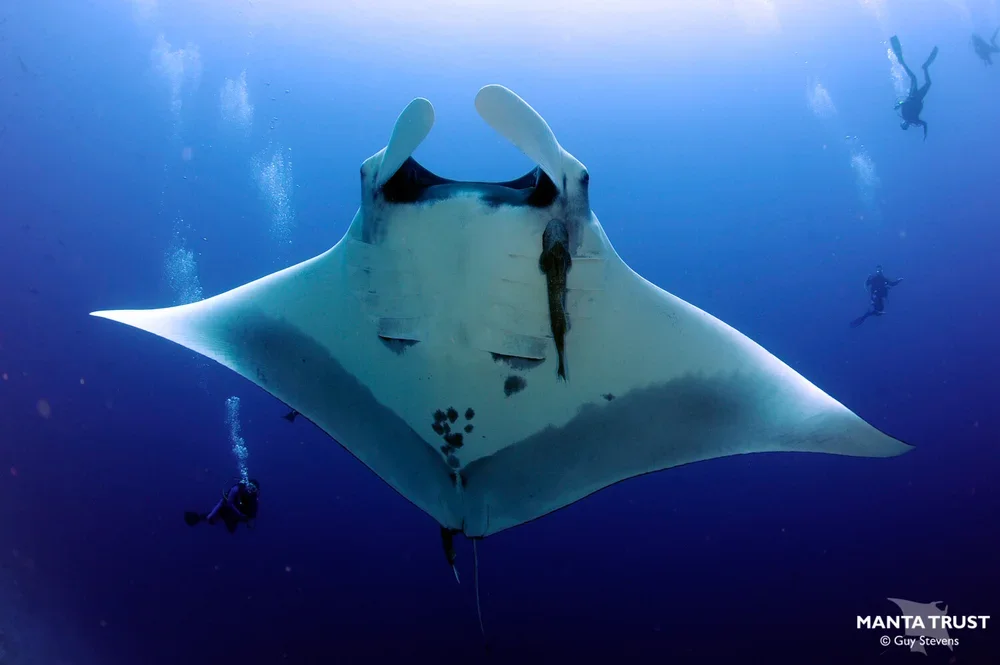
Key Characteristics:
Broad head with long cephalic lobes (the protruding “horns”)
Front-facing mouth (as opposed to downward-facing)
Small bump at the base of the tail
The white shoulder markings on the dorsal (back) side form two mirror-shaped right-angled triangles, creating a black “T”
Size:
Max Total Width: 700cm (~23 ft)
Average Total Width: 400-500cm (~13-16.5ft)
Weight: up to 2,000kg (~4,410lbs)
Photo credit: Guy Stevens/Manta Trust.
Atlantic Manta Ray | Mobula yarae
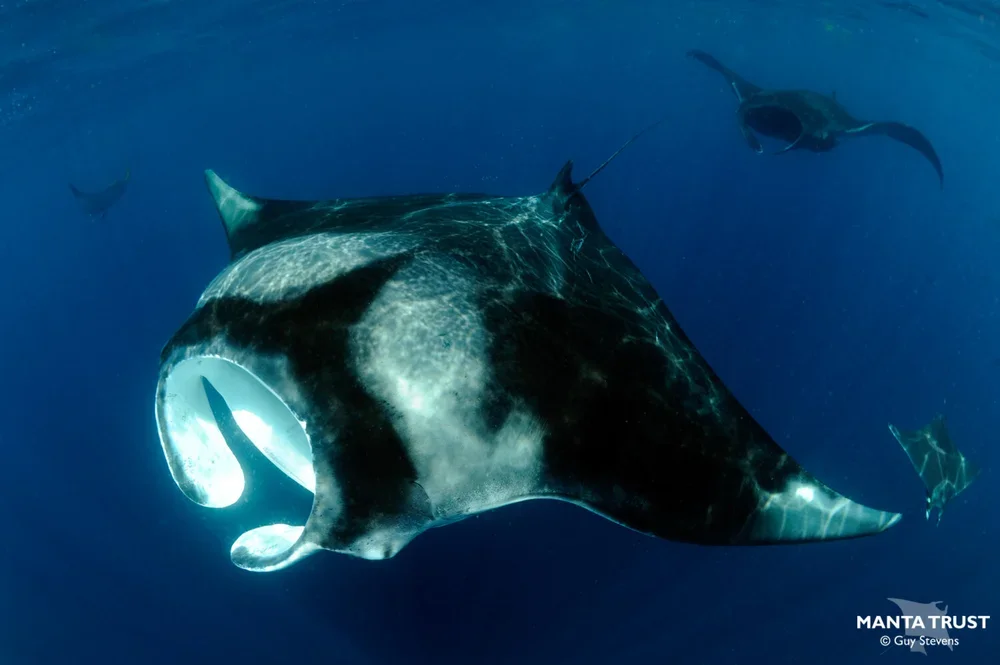
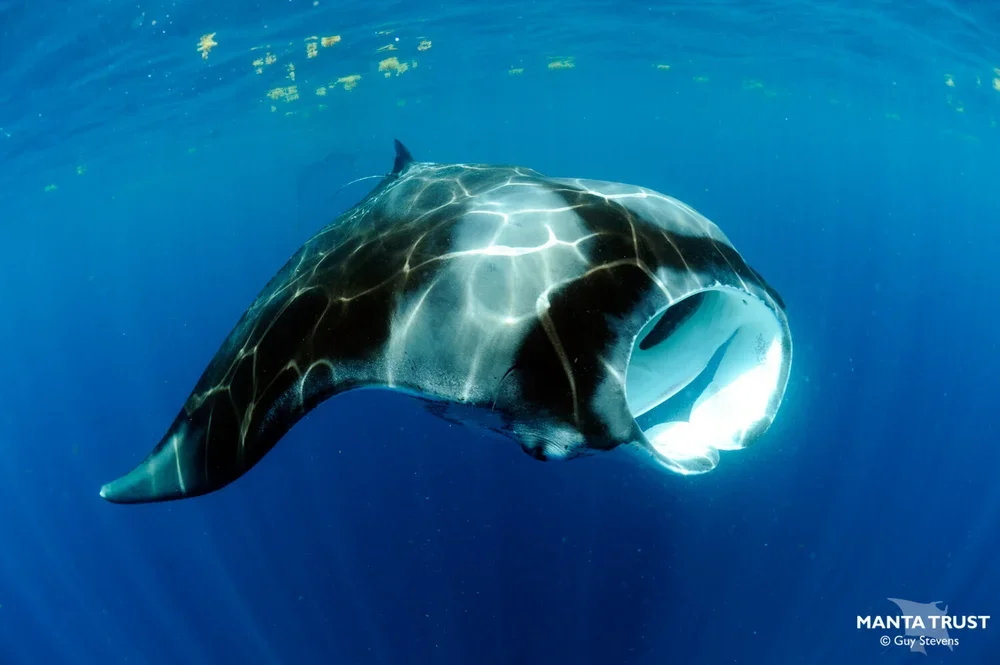
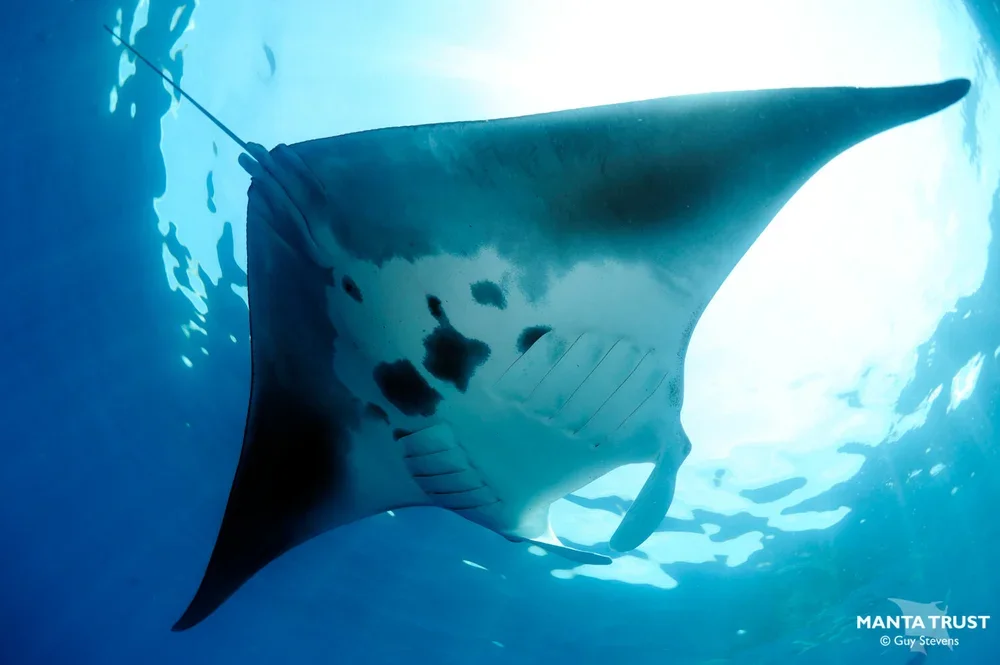
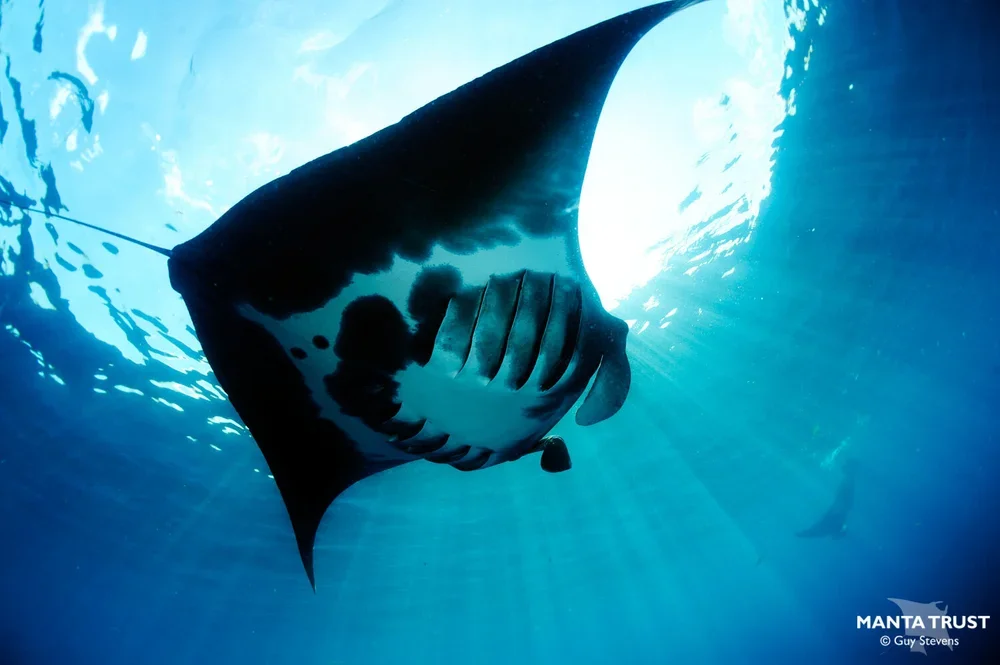
Photo credit: Guy Stevens/Manta Trust.
Key Characteristics:
Black ‘T’ shape between white shoulder markings tapers together towards the bottom.
If present, belly (ventral) spots clustered around lower abdominal region.
Often have large shaded patches on the belly below the gills.
Size:
Max Total Width: 481cm (~15.8 ft)
Average Total Width: 300-400cm (~9.8-13.1ft)
Weight: up to 1,077kg (~2,374lbs)
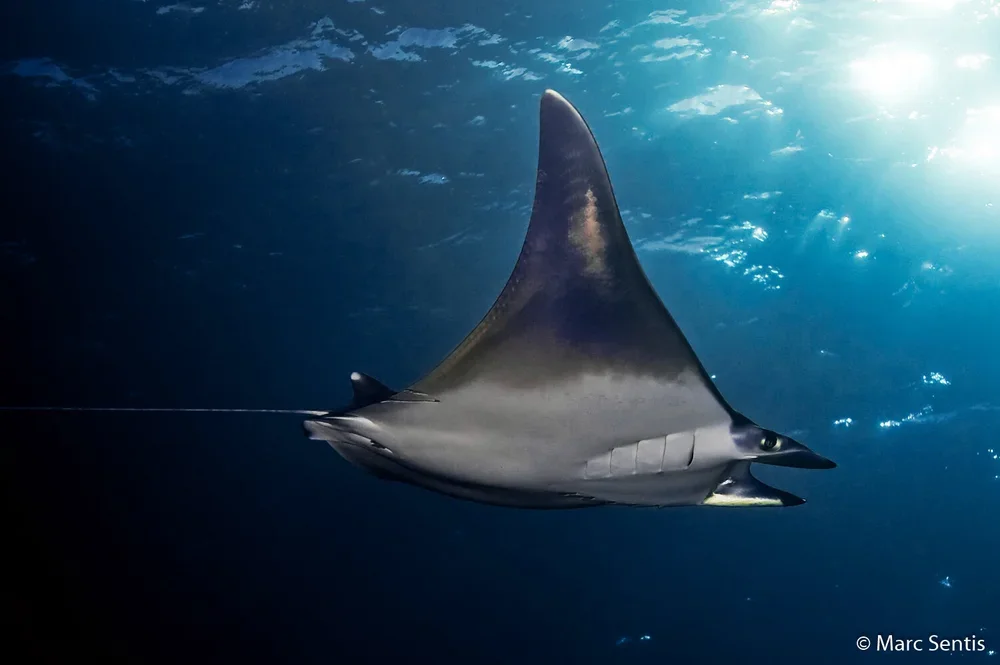
Spinetail Devil Ray | Mobula mobular
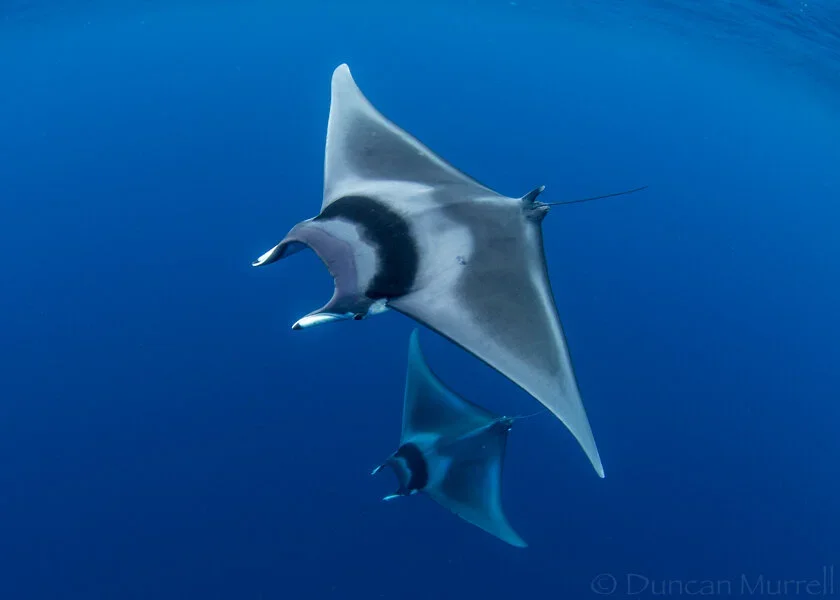
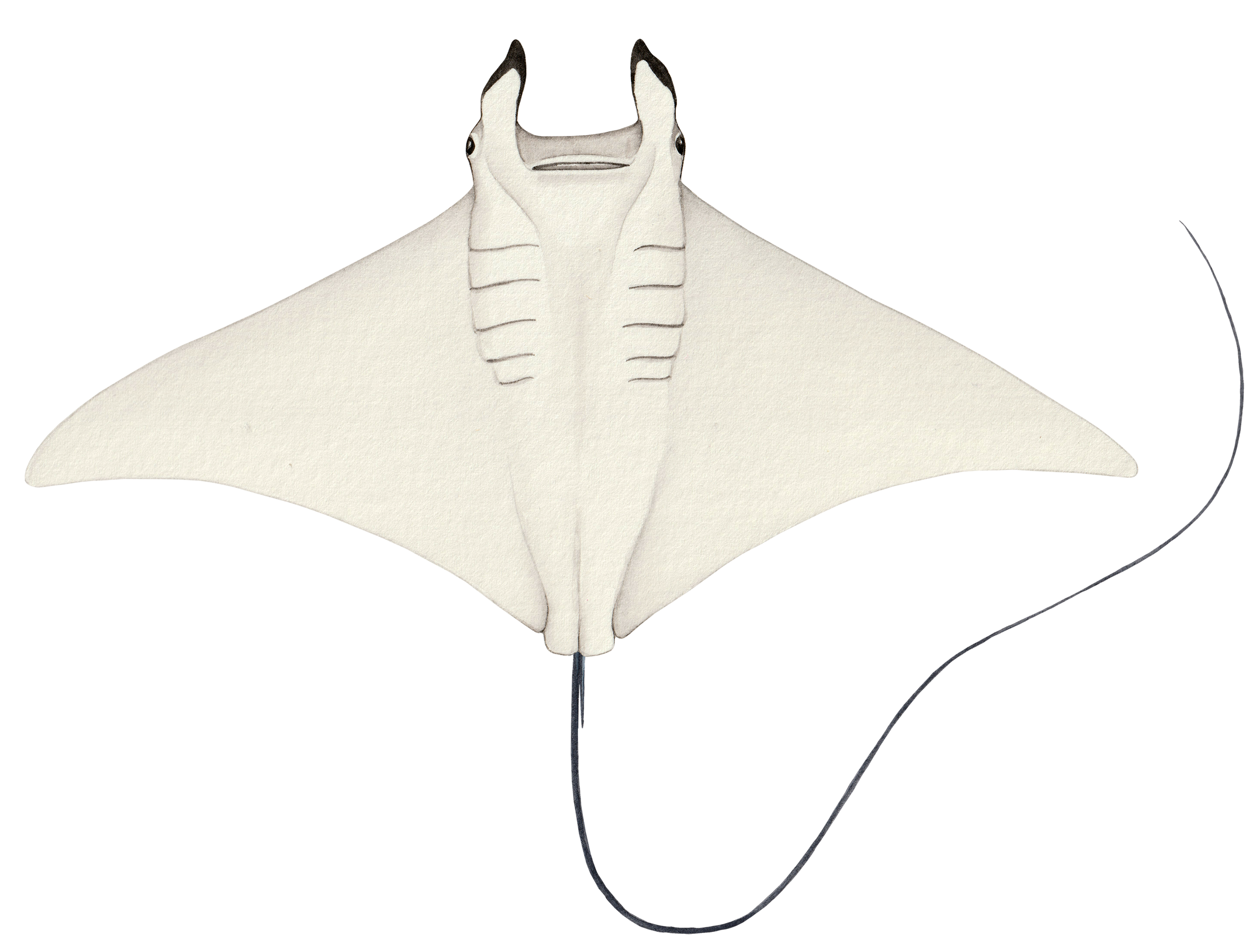
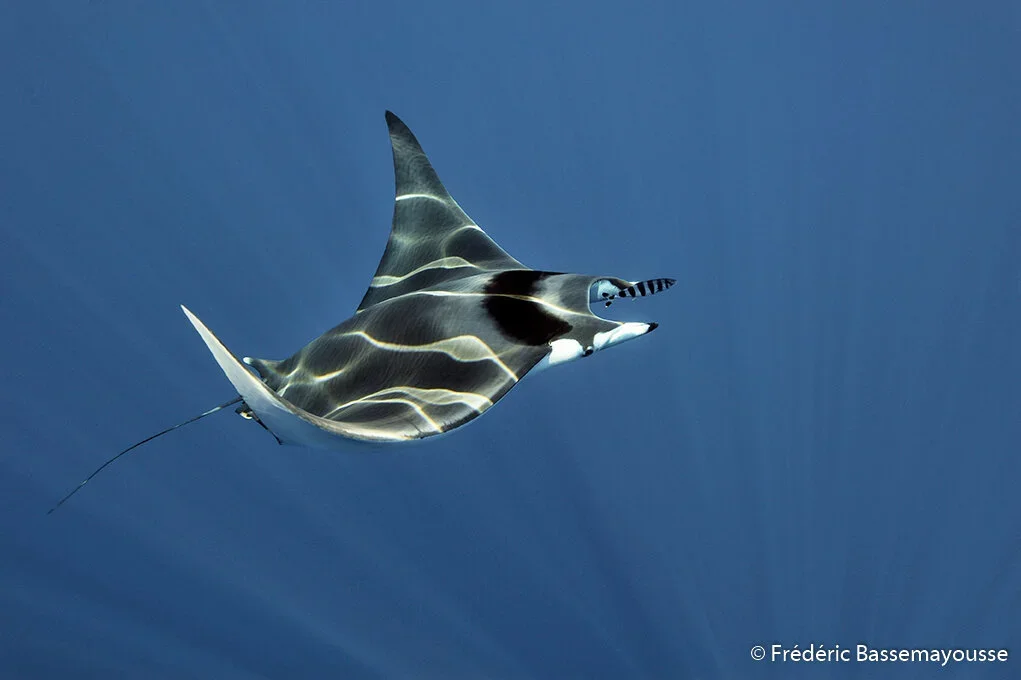
Photo credit: (L) Duncan Murrell. (R) Frederic Bassemayousse.
Key Characteristics:
White stomach (no spots/marks)
Front-facing mouth
Back (dorsal) side is dark blue to black
White patches on the tips of the cephalic lobes (the protruding “horns”)
Gill openings are white
Spine at the base of the tail
White-tipped dorsal fin
Size:
Max Total Width: 320cm (~10.5 ft)
Average Total Width: 180-280cm (~5.9-9.2ft)
Weight: up to 300kg (~661lbs)
Bentfin Devil Ray | Mobula thurstoni
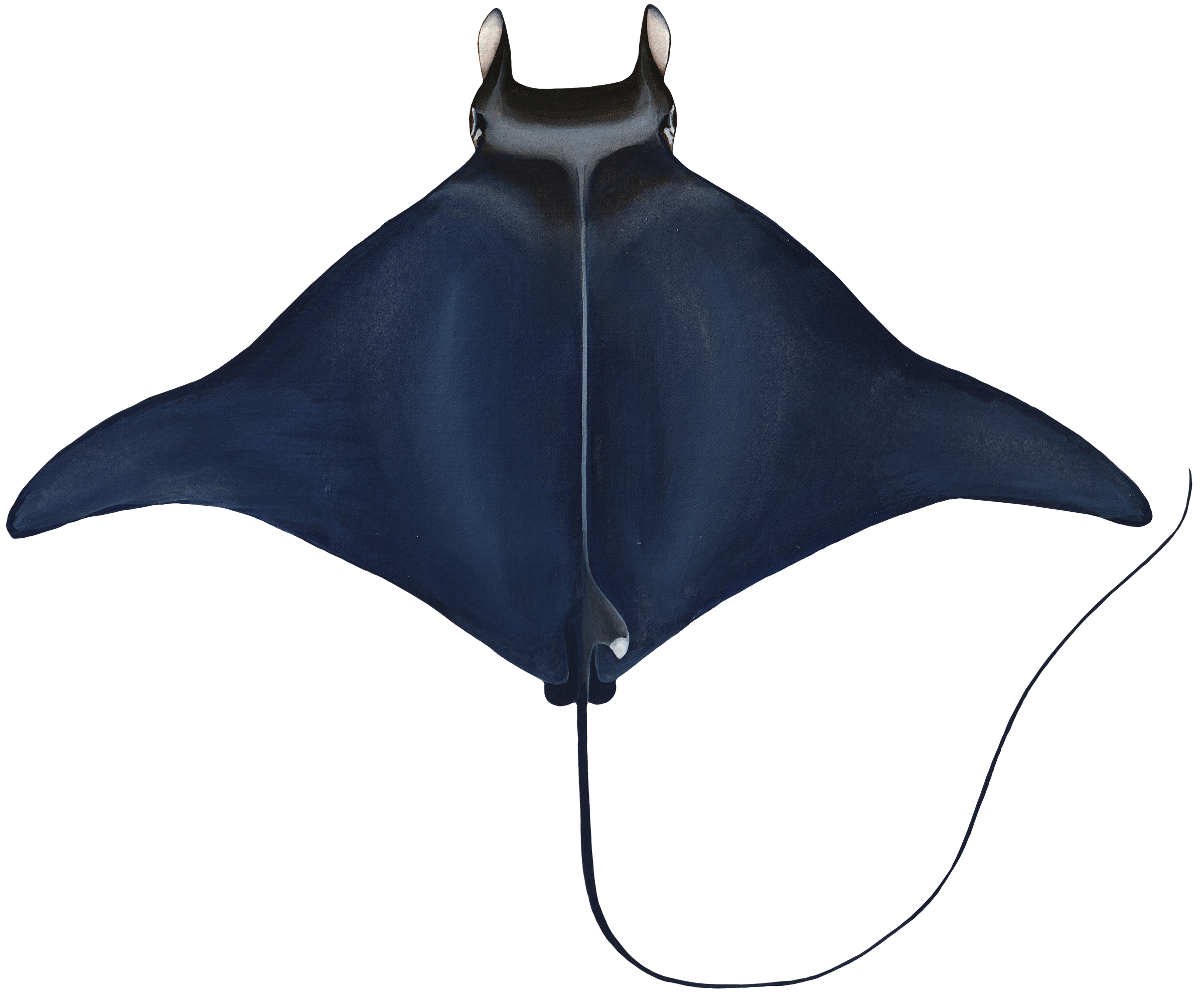
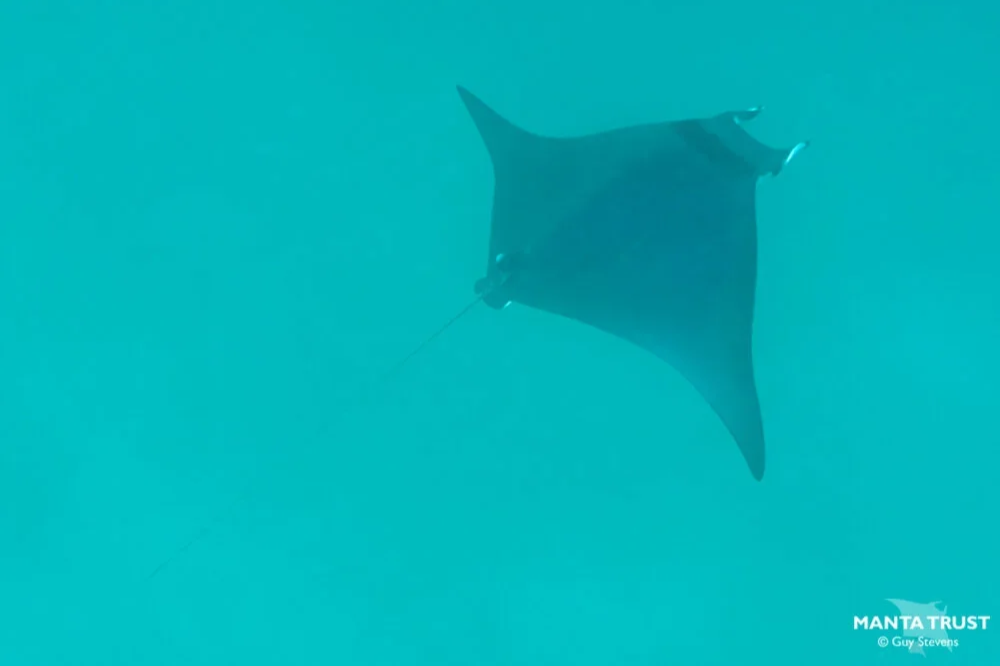
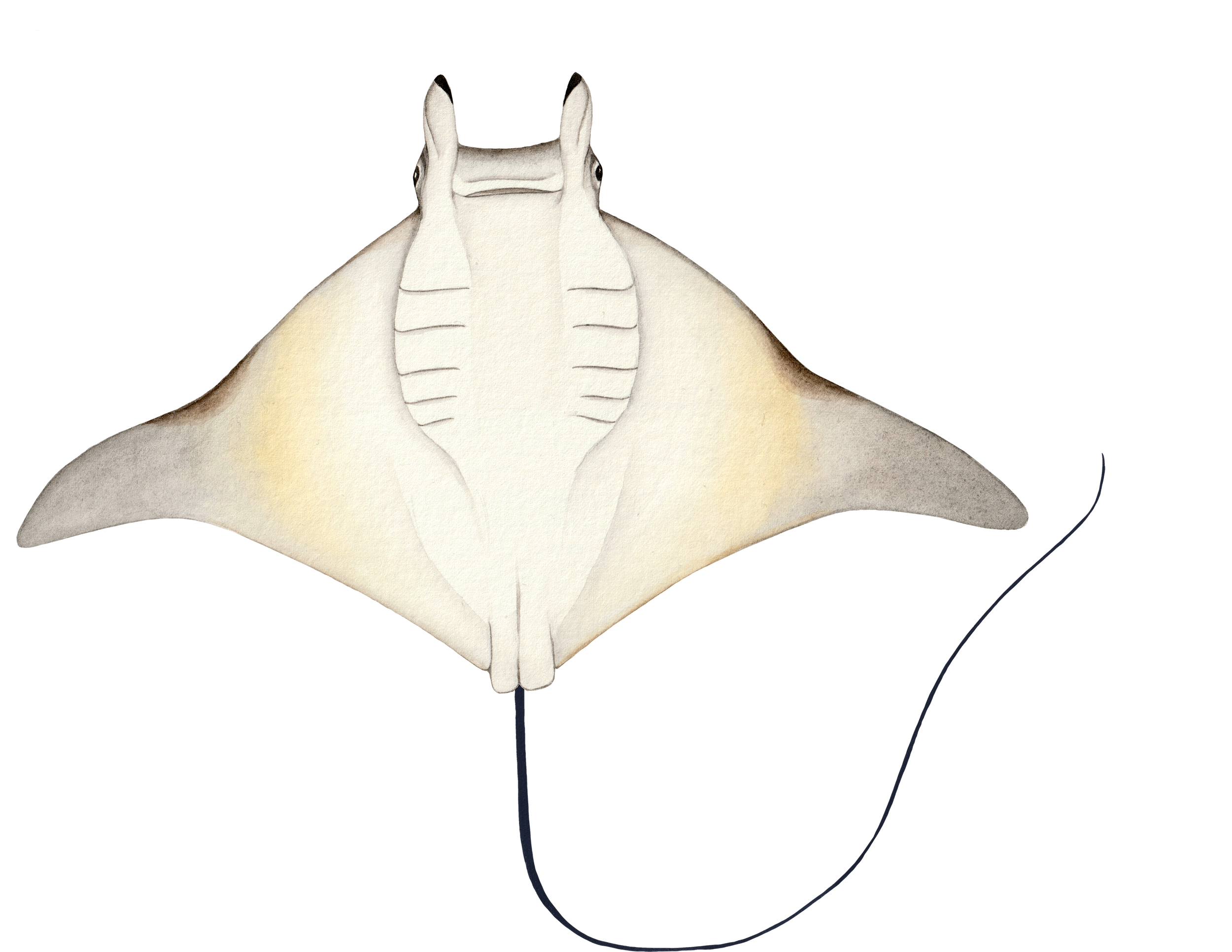
Photo credit: (L) Guy Stevens/Manta Trust. (R) Marc Sentis.
Key Characteristics:
Stomach mostly white, with dark shadows on the edge of the front
Blue to black color on back (dorsal) side
Size:
Max Total Width: 183cm (~6 ft)
Average Total Width: 135cm (~4.4ft)
Weight: up to 200kg (~441lbs)
Atlantic Pygmy Devil Ray | Mobula hypostoma
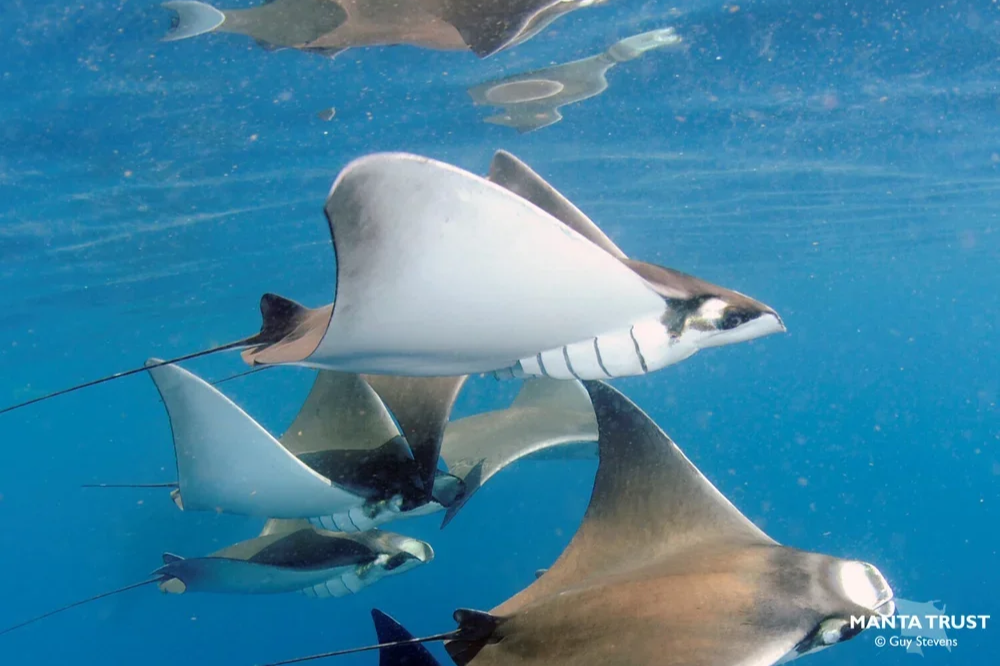
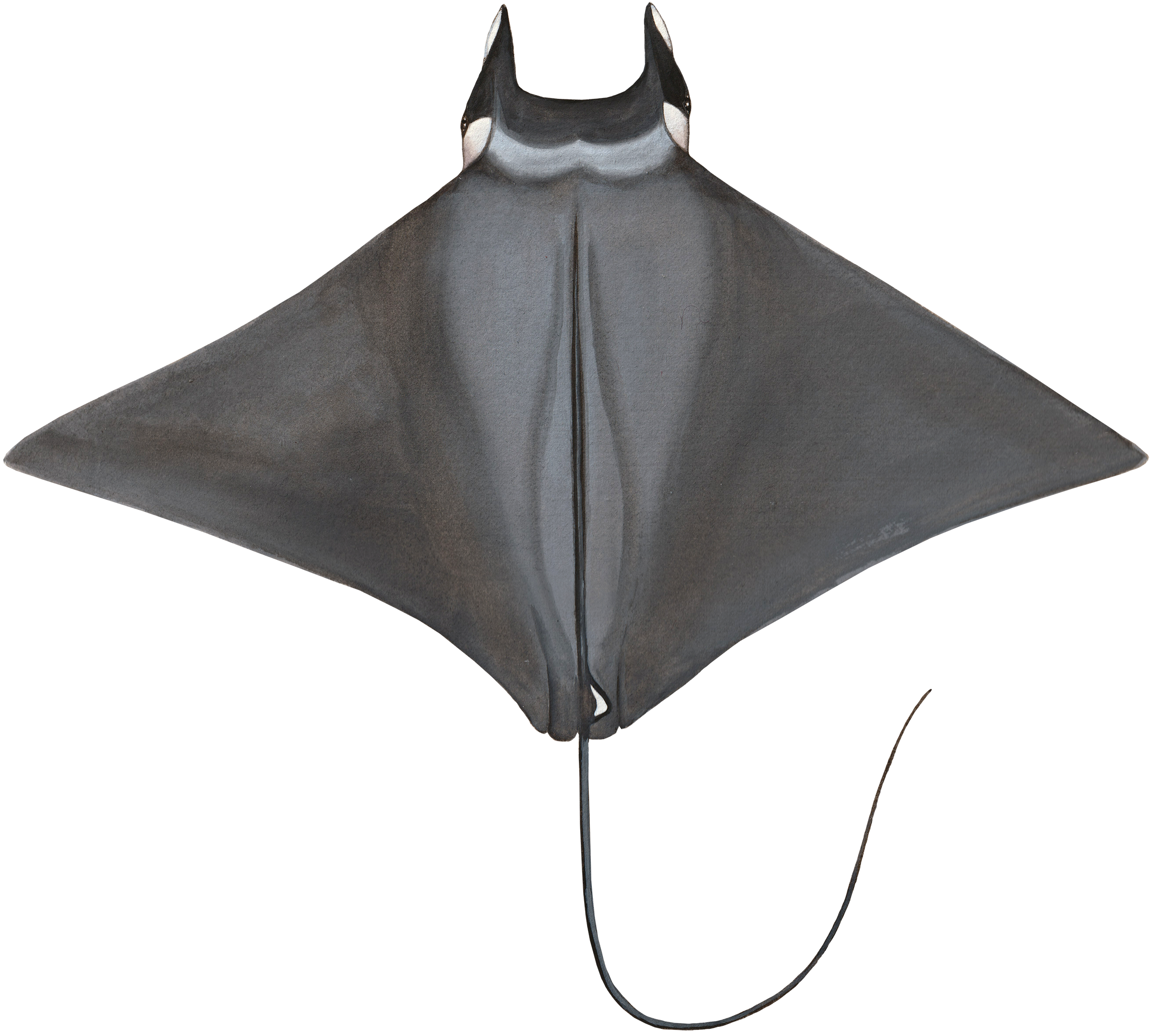
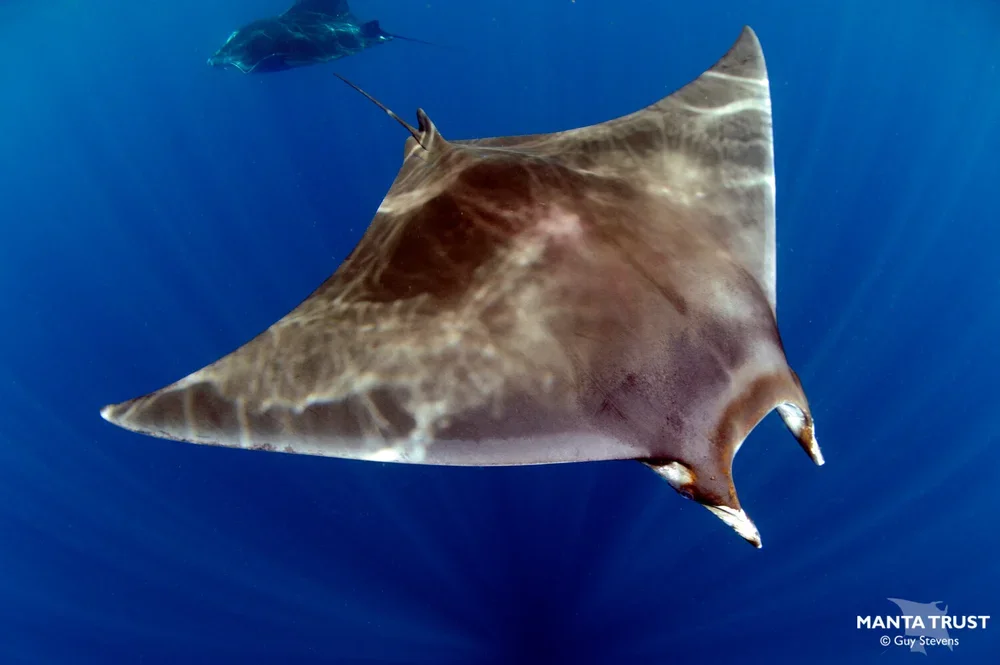
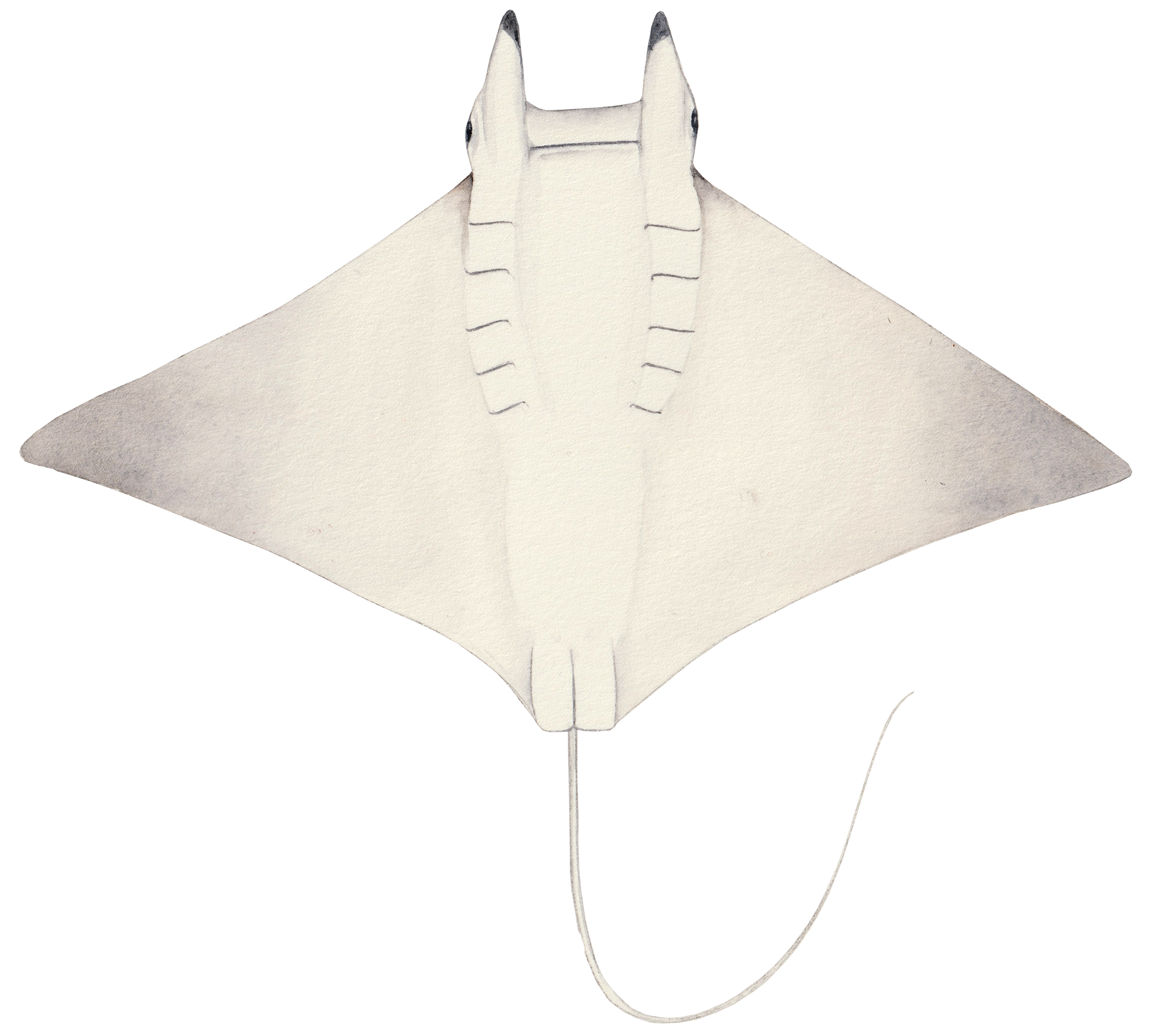
Key Characteristics:
Bakcoloration varies from light brown to black.
Some have a dark grey “collar” between their eyes
Dorsal fin has a dark rim along the margins
Size:
Max Total Width: 134cm (~4.4 ft)
Average Total Width: 110cm (~3.6ft)
Weight: up to 24kg (~53lbs)
Photo credit: (L&R) Guy Stevens/Manta Trust
Species Identification text adapted from ISSF Saving the Mobula Rays poster and Manta Trust’s Manta and Devil Ray Species pages.
Manta and devil ray artwork by Julie Johnson - Life Science Studios.
Manta and devil ray photos obtained from the Manta Trust website.
This research effort is led by the University of Massachusetts Dartmouth - School for Marine Science & Technology, in collaboration with Marine Megafauna Foundation, Manta Trust, Manta Catalog Azores, Conservation Ecology Lab at San Diego State University, and Mobula Conservation Project.