The student will:
Conduct geospatial analyses of fishing effort, access, and displacement using Global Fishing Watch datasets
Lead interviews and surveys with fishers and stakeholders
Work closely with local partners, fishers, NGOs, and fisheries stakeholders
Publish research and engage in policy-relevant science communication
Receive training in interdisciplinary research methods and frameworks in fisheries science, geospatial analyses, and quantitative social science
Complete the UMassD SMAST required courses for the MS degree, which include Biological Oceanography and Physical Oceanography
Required Qualifications:
Fluent in Spanish and English
Strong (Honors) B.S. in marine science, environmental science, fisheries, ecology, natural resource management, geography, quantitative social sciences, or a related field
Demonstrated interest/experience in marine conservation, fisheries, and social-ecological systems
Demonstrated interest/experience and ability in quantitative research and statistics
Strong writing and communication skills
Willingness to travel internationally and spend extended time in the field
Preferred Qualifications:
Experience with quantitative research methods, statistics and coding in R
Familiarity with geospatial analysis in R or GIS
Experience with social science research methods (e.g., interviews, focus groups, qualitative coding)
Location: Based at the School for Marine Science and Technology (SMAST) at UMass Dartmouth, with at least two confirmed fieldwork seasons. Located in New Bedford, Massachusetts, home to one of the most vibrant and historic working waterfronts in the United States, consistently ranked as the nation's top fishing port by value. SMAST is a modern research facility on the water with direct access to the working waterfront. As a center for cutting-edge fisheries science, SMAST offers a collaborative and applied research environment with strong connections to regional, national, and international marine policy. Students benefit from access to a network of government agencies, NGOs, and fishing industry stakeholders, making it an ideal setting for interdisciplinary marine research.
To Apply: Please send the following materials to Dr. Melissa Cronin at melissa.cronin@umassd.edu with the subject line “MS Assistantship - Your Name”:
Cover letter (one page maximum) detailing a short summary of your background, career goals, and why you want to join SMAST
CV
Unofficial transcript
Writing sample (a publication, research proposal, term paper, or some other piece that you are proud of)
Name and contact info for two references (academic references preferred)
See this useful guide for emailing potential graduate advisors. Learn more about the UMass Intercampus Marine Science Graduate Program and its application process here: https://www.umassd.edu/ims/prospective-students/admissions-overview/
Review Timeline: Applications will be reviewed on a rolling basis beginning December 5, 2025 until the position is filled. Applications received by January 15, 2026 date will receive full consideration.
MS Research Assistantship in Fisheries Conflict
Position title: MS research assistantship through the UMass Intercampus Marine Science Graduate Program at the School for Marine Science and Technology at UMass Dartmouth.
Start Date: June 1, 2026
Compensation: Annual stipend ($34,675) plus tuition waiver for two years (including summer support)
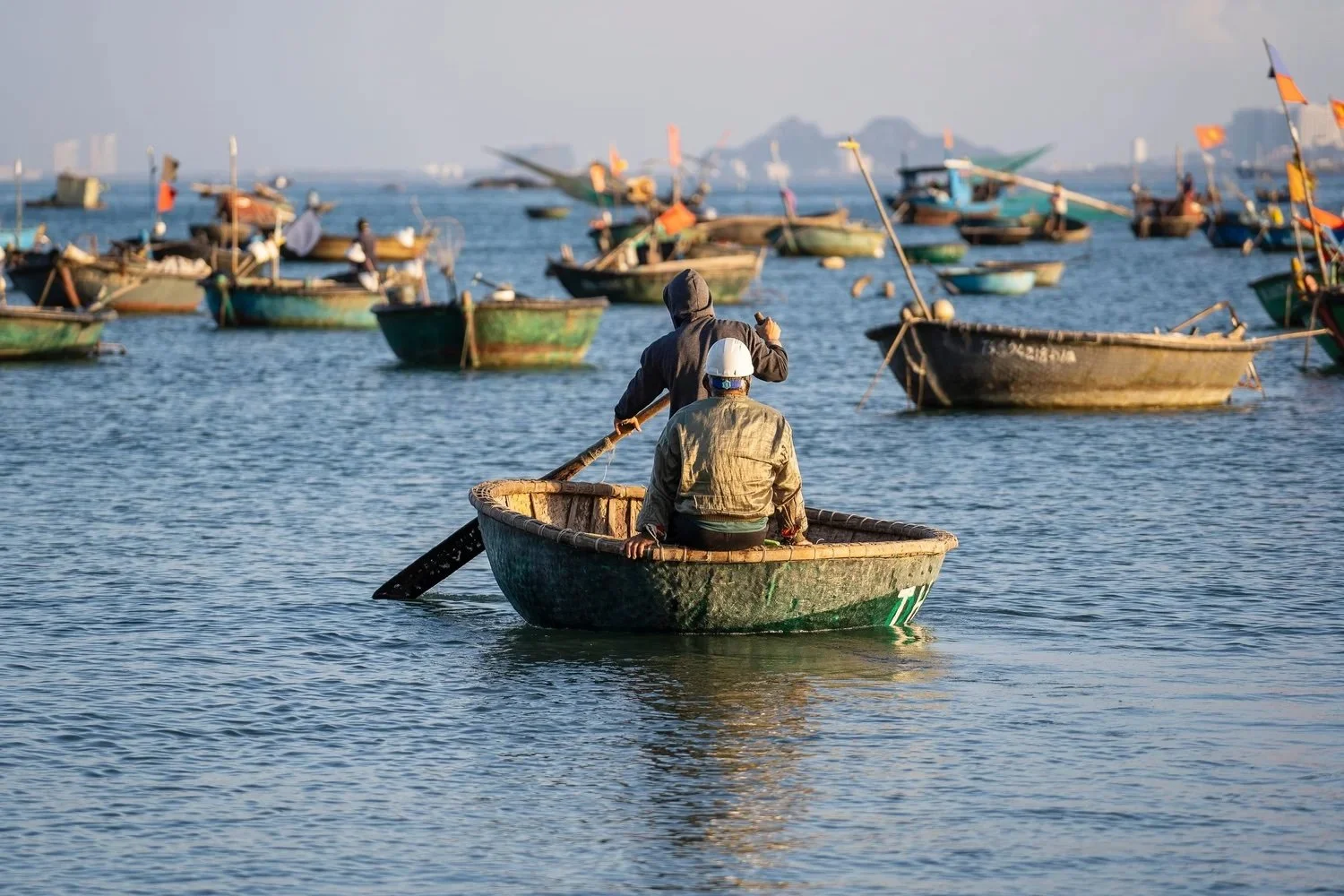
We are seeking a motivated Master of Science student to join an interdisciplinary research project examining the interactions between small-scale and large-scale fisheries and their consequences. This research will explore how spatial competition affects livelihoods and food access in coastal fishing communities. The student will lead mixed-methods research combining quantitative geospatial analysis and statistical modeling of industrial fishing effort data. They will also conduct two seasons (June - August) of international fieldwork in Chile and potentially one other country in Latin America (Spanish fluency is required). This project offers the opportunity to produce actionable science in support of equitable and sustainable ocean governance.
This position is open to both US-based and international students. Student needs to be enrolled full-time to be eligible for an I-20. International students are encouraged to apply early due to potential visa challenges at this time. After completion of the MS, students may have the opportunity to transition into a Ph.D. program if additional funding is secured.